
Eportfolio
-
BSc in Nutrition and Food Science(University of Alberta)
-
Minor in Human Ecology

Nutrition
This page highlights selected academic projects from my studies in Nutrition, covering food preparation, meal planning, nutrition education, health communication, and health innovation. Through these projects, I learned to apply evidence-based nutrition knowledge to practical health and food-related contexts while developing accessible approaches to support informed food choices and overall well-being.

"Gordon Ramsay" in cooking demo

"Gordon Ramsay" in cooking demo

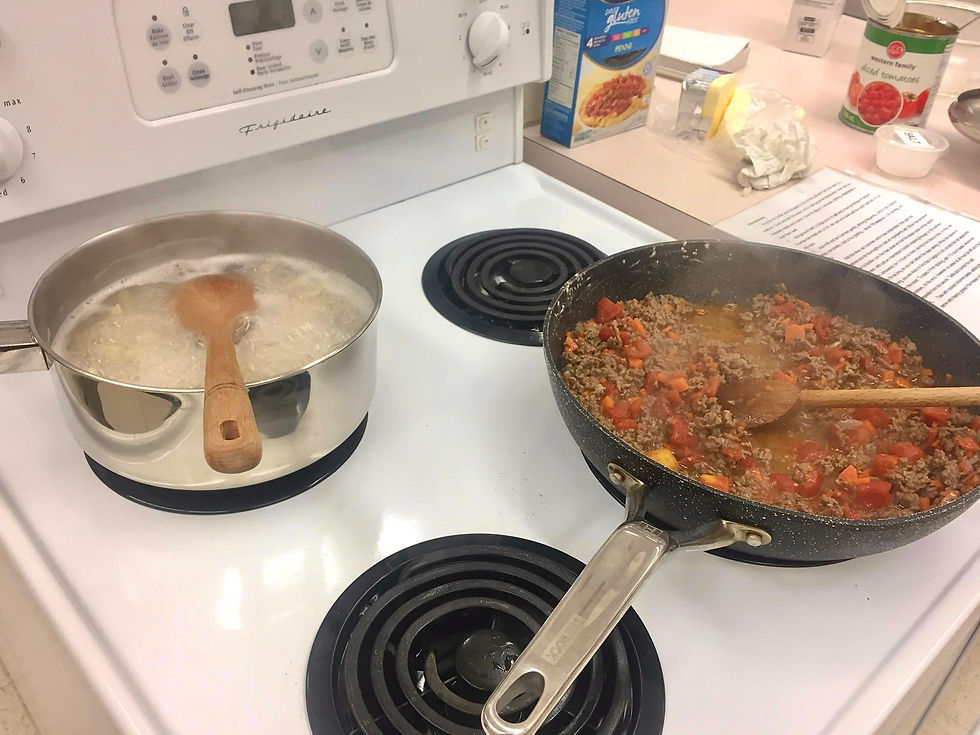
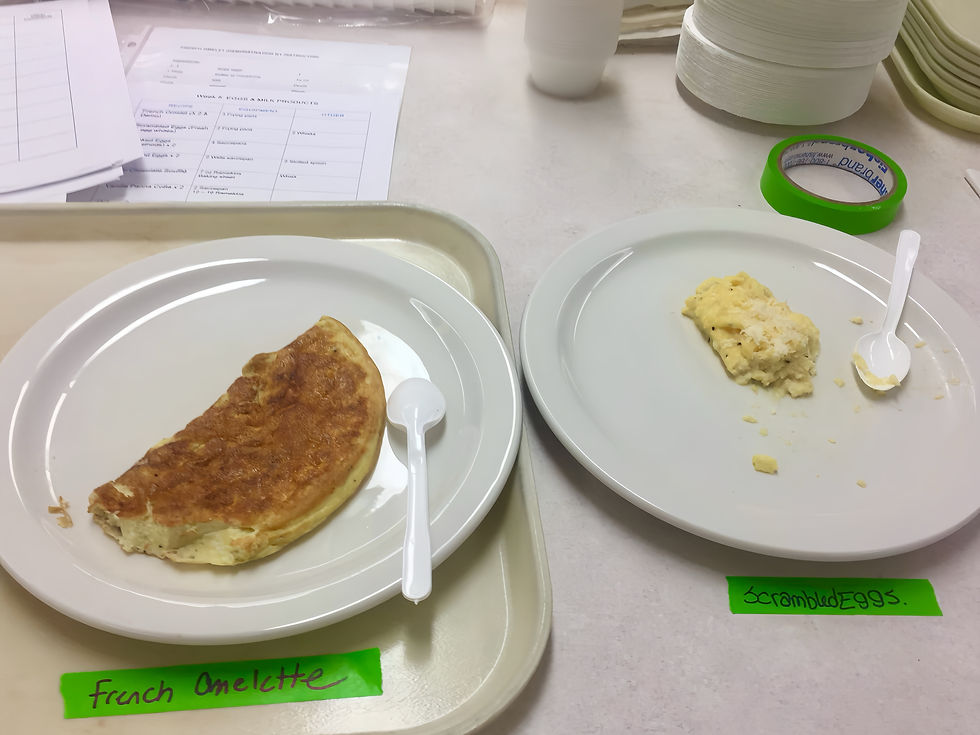
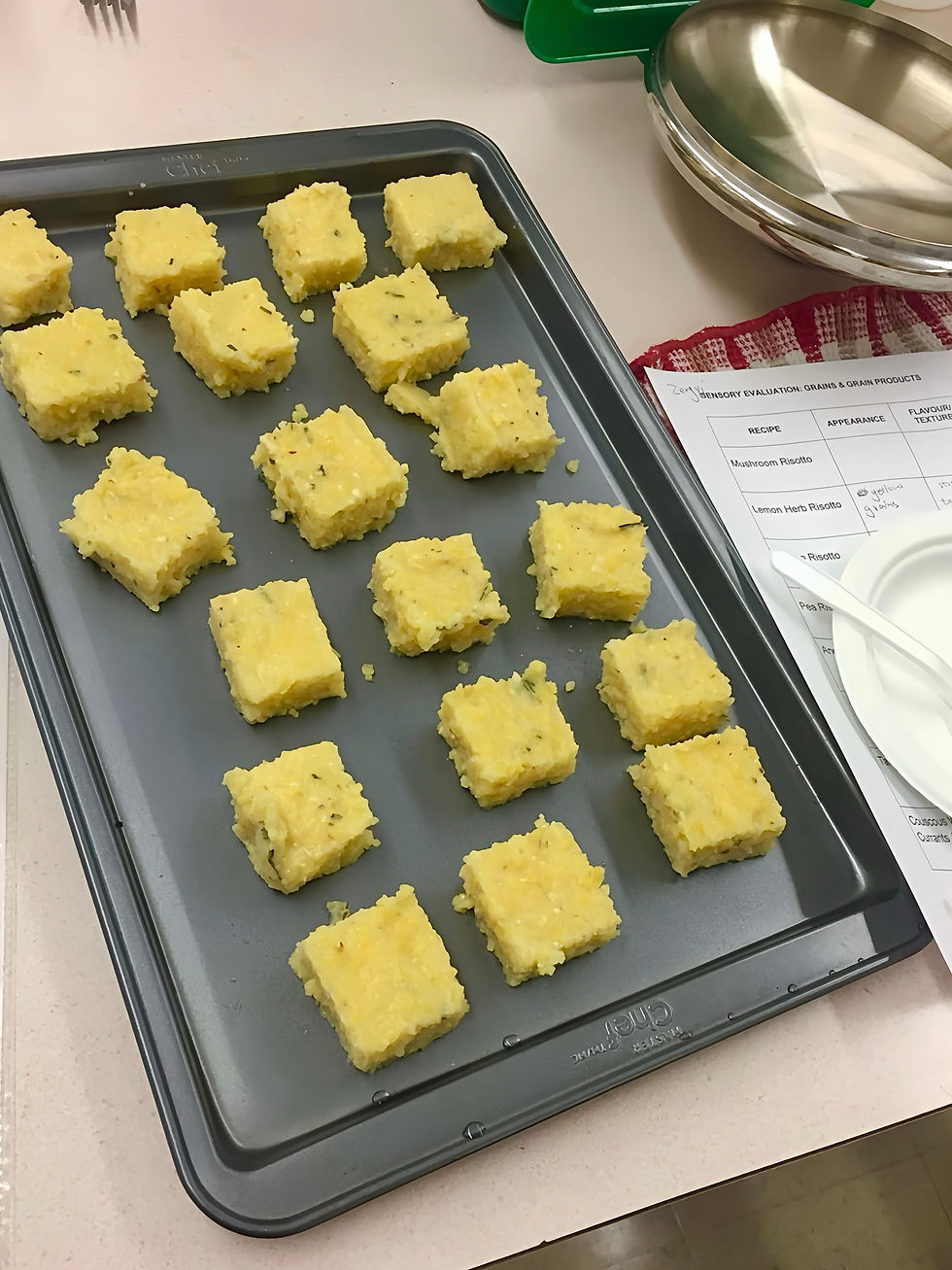
Food Preparation and Sensory Evaluation
Category: Nutrition and Food Science
Type: Laboratory Experience
My Role:
Participated in weekly food preparation laboratories involving recipe execution, food handling, sensory evaluation, and collaborative food production activities.
Project Overview:
This weekly cooking lab combined food preparation, food safety, and sensory evaluation principles through hands-on learning. Working in small groups, students prepared a variety of food products, including sauces, soups, milk products, eggs, grain products, meat, vegetables, soy, nuts, baked goods, and other menu items using standardized recipes and professional kitchen equipment.
Each session included instruction on food safety, kitchen operations, food handling practices, and techniques to prevent cross-contamination. Following food preparation, sensory evaluation activities were conducted to assess product quality.
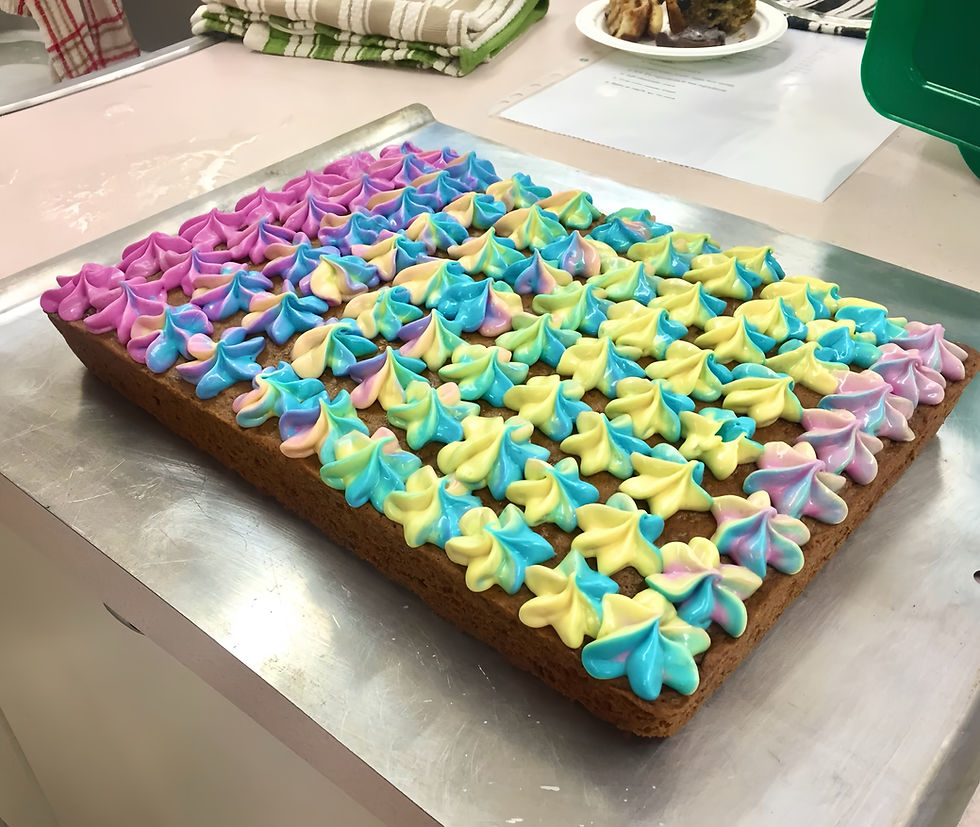


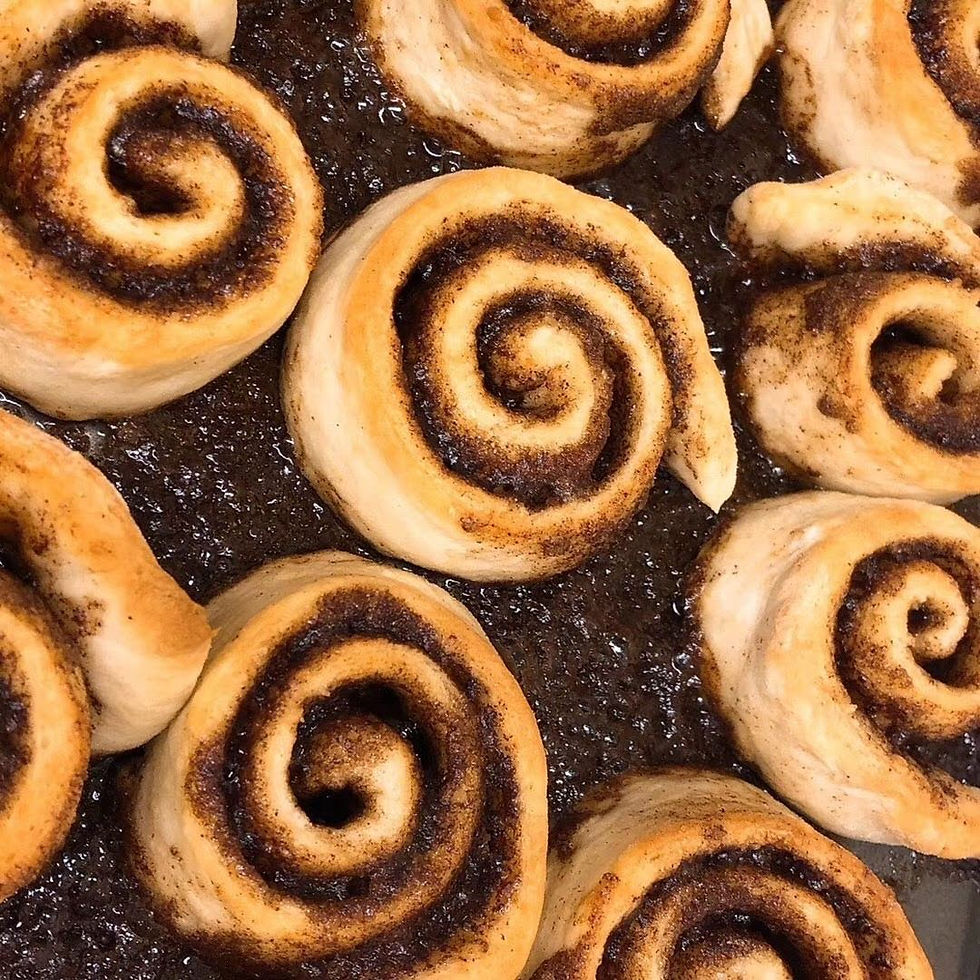


Project excerpts displayed for portfolio purposes. Images are intended to showcase selected aspects of the project and are not the full assignment submission.
Nutrition Education Program for Cardiovascular Disease Prevention

Incorporating process and outcome evaluation methods to assess program delivery, participant feedback, and changes in nutrition knowledge following the educational session.
Incorporating process and outcome evaluation methods to assess program delivery, participant feedback, and changes in nutrition knowledge following the educational session.

Program Delivery Timeline


Program Delivery Timeline
Category: Nutrition | Human Ecology
Type: Two-Person Collaborative Project
My Role:
Co-developed an evidence-based nutrition education intervention by conducting research, applying health behaviour theories, and contributing to program planning, educational resource development, evaluation design, and the final presentation.
Project Overview:
This project involved designing an evidence-based nutrition education program for individuals at high risk for cardiovascular disease (CVD), with a focus on reducing saturated fat intake. Working collaboratively, we identified and justified the needs of the target audience and developed learning goals,, measurable objectives, theory-informed educational strategies, an implementation plan, educational materials, and a recorded presentation.
The project involved reviewing current nutrition research and translating scientific evidence into practical and accessible health messages. Family Systems Theory was used to explore how family environments and relationships influence dietary behaviours, while the Health Belief Model guided strategies to increase awareness, address perceived barriers, and encourage positive health behaviour change.
Through this experience, I developed practical skills in nutrition communication, health promotion, program planning, project development, and evidence-based education. The project also strengthened my understanding of how individual, family, and environmental factors can influence dietary behaviours and health outcomes.
Project excerpts displayed for portfolio purposes. Images are intended to showcase selected aspects of the project and are not the full assignment submission.


5-Day Nutrition and Meal Plan
Category: Nutrition
Type: Two-Person Collaborative Project
My Role:
Co-developed a 5-day meal plan, conducted food cost comparisons, evaluated nutritional adequacy, and contributed to recipe development and menu design.
Project Overview:
This project involved designing a 5-day meal plan for a client with a peanut allergy who always likes to be creative in her cooking and baking by using foods available through an Emergency Food Hamper and a limited budget. The menu was developed using principles from Canada's Food Guide and aimed to provide balanced, nutritious meals while considering food accessibility and variety.
The project required evaluating food costs, adapting recipes to accommodate dietary restrictions, and balancing nutritional needs with real-world constraints. Considerations such as cultural relevance, food preparation complexity, meal variety, and client preferences were incorporated throughout the planning process.
This experience strengthened my understanding of client-centred nutrition planning and highlighted the importance of creating accessible and nutritionally appropriate recommendations for diverse populations.
Health Product Development
POD GOD: Edible Spirulina Drink Bubble
Category: Nutrition | Health Innovation
Type: Group Project | Novel Functional Food Concept
My Role:
Originated the core product concept and created the name “POD GO.” Proposed combining a spirulina-based beverage with an edible seaweed membrane to create an innovative and portable functional food for physically active consumers.
Contributed extensively to the research and development of the concept by reviewing the scientific evidence on the potential health applications of spirulina. I also explored the product’s intended use, target consumers, safety considerations, market potential, and opportunities for future development.
Project Overview:
POD GO is an innovative functional food concept that combines a spirulina-based beverage with an edible, biodegradable seaweed membrane. Inspired by edible water-pod technology, it was designed as a portable alternative to conventional bottled sports beverages, with the potential to support active lifestyles while reducing reliance on plastic packaging.
The project involved reviewing scientific evidence on the nutritional composition and potential functional properties of spirulina, including its antioxidant activity and possible applications in exercise performance, fatigue management, and post-exercise recovery. We also explored product formulation, recommended use, safety and regulatory considerations, market potential, and opportunities to incorporate ingredients such as electrolytes, vitamins, and natural flavours.
Through this project, I strengthened my skills in health innovation, functional food research, scientific literature review, evidence evaluation, nutrition communication, product ideation, and translating nutrition science into an innovative consumer health concept.
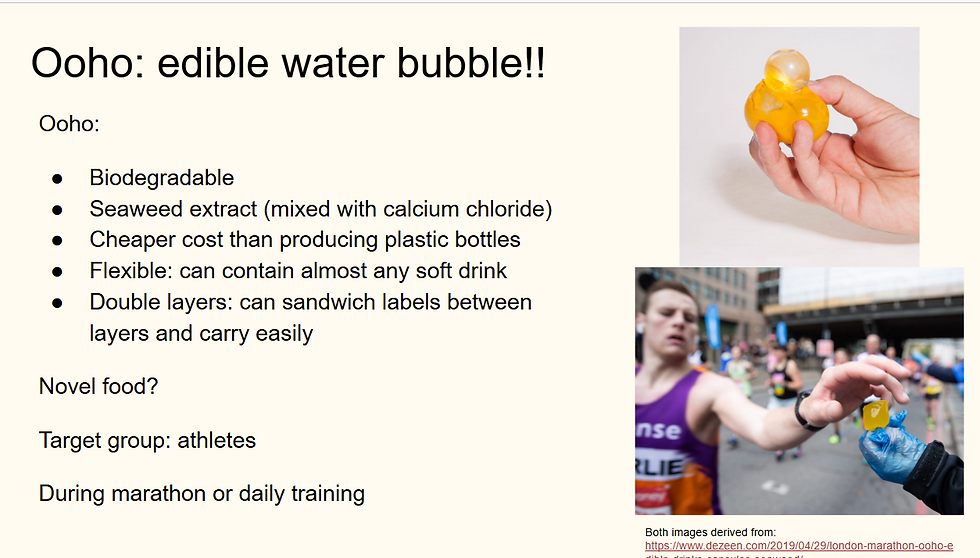
POD GO applies a biodegradable seaweed-based membrane as an alternative to conventional beverage packaging.
POD GO applies a biodegradable seaweed-based membrane as an alternative to conventional beverage packaging.

